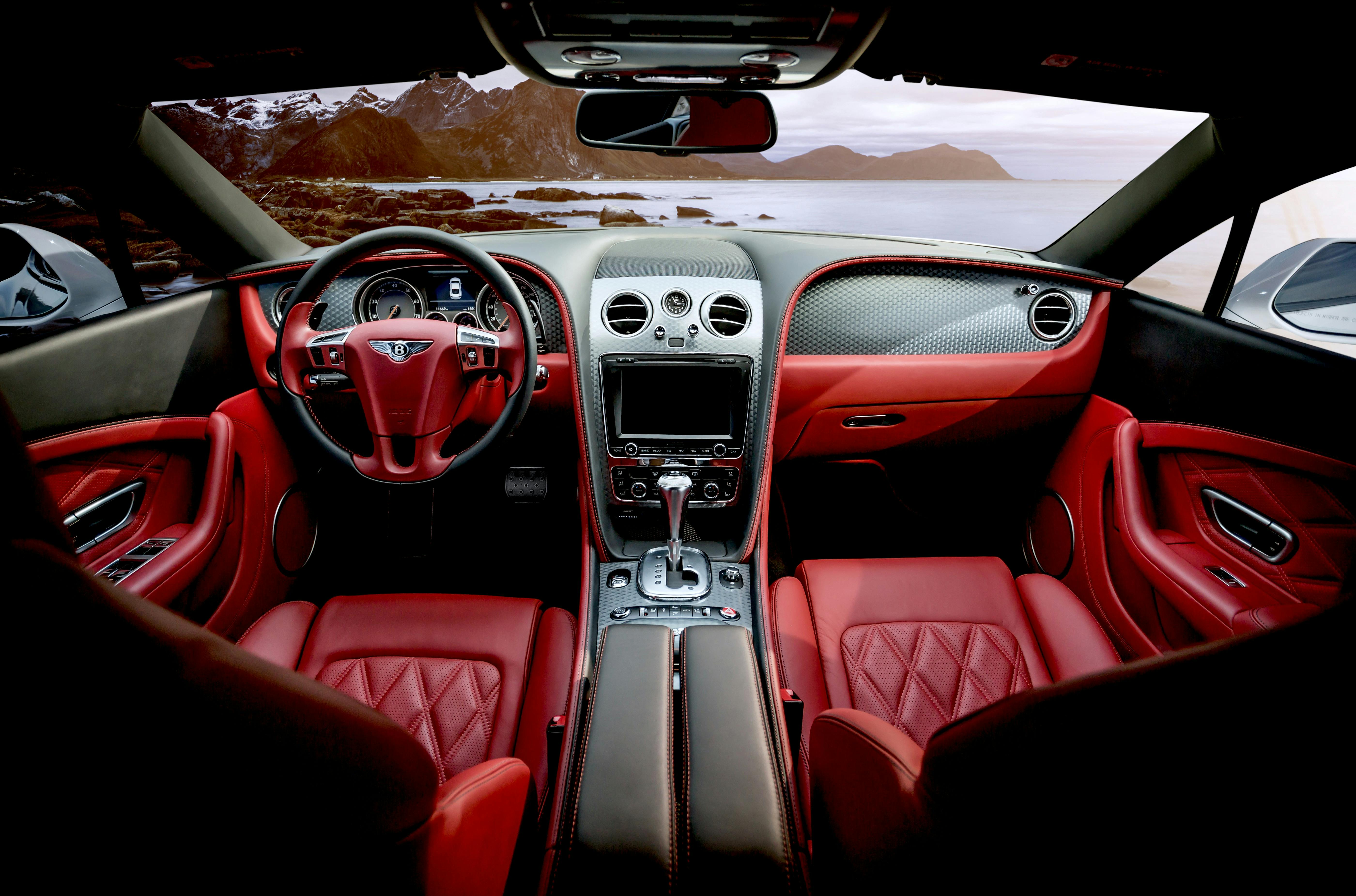
Not all cars are created equal. You’ve probably felt it too—that strange sensation when you slip behind the wheel of one car and it just fits, while another makes you constantly shift in your seat, fiddle with the knobs, or second-guess how quickly you should accelerate on the highway.
It’s more than just horsepower and leather seats. There’s an unspoken element in luxury vehicles that makes them feel… different. And understanding that difference might just change how you think about what you drive—and what you expect from it.
Comfort Isn’t a Bonus—It’s a Philosophy
When you think of comfort, you might picture plush seating, quiet cabins, or smooth rides. But in the luxury world, comfort is baked into the entire design process. From the exact angle your knees bend to how your fingers wrap around the steering wheel, top-tier cars are crafted with a human-centric mindset.
Engineers and designers in this space don’t just add features—they solve problems. They obsess over body vibrations at 50 mph. They test different densities of seat foam so you stay comfortable over long distances without feeling detached from the road. They consider how sunlight hits the dashboard at different times of day.
It’s this relentless attention to detail that makes a car feel like a second skin, rather than a transportation tool.
The Science of Silence
Here’s something you probably didn’t know: sound engineers in luxury auto brands spend years perfecting cabin acoustics. Why? Because noise—wind, road, engine—is fatiguing. Not always in a dramatic way, but in a slow, creeping, cumulative way that wears you down on a long drive or a stressful commute.
Luxury vehicles don’t just keep the noise out—they manage it.
There’s a difference between silence and serenity. The latter means you still hear what you need (like a warning beep or a soft song on the stereo), but without all the static. This isn’t about muting life; it’s about controlling the environment so you remain focused, calm, and less mentally drained when you arrive at your destination.
The Touch Test: Materials That Speak for Themselves
You can usually tell the level of quality in a vehicle without starting the engine. Just run your hands across the interior. Luxury cars are like tactile conversations—everything from the stitching on the seats to the click of the knobs says, you matter.
Soft-touch materials, real wood, brushed metal—not plastics that look like metal. Even the weight of a door can signal craftsmanship. And yes, even that new-car smell is engineered. It’s not just perfume; it’s a carefully curated mix of adhesives, leathers, and linings that gives a premium vibe the moment you enter.
Here’s the thing: we notice these details, even if we don’t talk about them. Your subconscious is collecting data every second, and when a car feels “better,” it’s usually because the small things add up.
Where Performance Meets Ease
A car doesn’t have to roar to feel powerful. In fact, one of the hallmarks of luxury is when performance feels effortless.
Think about this: in many high-end vehicles, 0-62 mph is blisteringly fast, but you barely feel the acceleration. That’s not because the car isn’t powerful—it’s because it’s designed to shield you from that power unless you specifically ask for it.
Luxury cars are intuitive. They anticipate. They remove friction from your driving experience—like steering that adjusts automatically at high speeds, adaptive cruise control that reads traffic better than some humans, and seats that remember how you like to sit, even if your partner doesn’t.
There’s no stress in the drive. You focus less on the car, and more on the road, or the playlist, or the sunset out your side window. And that’s the point.
The Mercedes Moment
Here’s where the real-world connection happens. One test drive in a Mercedes, and it’s hard to go back. The way the steering glides into a turn without needing correction, the soft glow of ambient lighting at night, the way the engine hums instead of growls—it’s an experience that transcends function. You realize you’re not just getting from point A to B. You’re being carried there, with intention.
You don’t have to be a car enthusiast to notice the difference. It’s like slipping on a tailored suit for the first time after years of wearing off-the-rack. The fit, the finish, the quiet confidence—it all hits different. And whether you’re driving to work or heading out of town for the weekend, there’s a certain feeling you carry with you when you’re surrounded by that kind of thoughtful engineering.
You Don’t Have to Go Full Luxury to Appreciate the Difference
Here’s the best part: once you understand what makes a car feel better, you can start to bring elements of that into any vehicle.
Upgrade your seat covers to high-density foam with ergonomic design. Add a dash cam with driver alerts to mimic higher-end safety features. Install ambient lighting kits that let you set the mood based on your drive. Even small things like sound-deadening floor mats or upgraded wiper blades can tilt your experience toward the luxury zone.
Of course, not all features are replicable—but appreciating what goes into a luxury car helps you recognise when manufacturers cut corners, or when they genuinely try to elevate the driving experience.
And let’s be honest: knowing the difference makes you a more confident buyer.
Why the Gap is Growing—And Why That Matters
Cars today are evolving fast. Budget models are getting smarter, and luxury models are getting… smarter with taste. The luxury gap isn’t just about what’s under the hood anymore—it’s about how a car integrates into your life.
Is your vehicle an extension of your lifestyle, or just a necessary expense? Does it energise you, or drain you? Does it protect your mental space, or add more noise?
These aren’t just fluffy lifestyle questions. In an age where you’re spending more time in your car—during commutes, errand runs, weekend drives—your vehicle has a huge impact on how you show up for the rest of your life. And it might be worth closing the gap between where you are, and where you want to feel.
Final Thoughts: The Power of Feeling Good Behind the Wheel
At the end of the day, you don’t need a flashy badge or a six-figure budget to enjoy your time on the road. But you do deserve to feel good behind the wheel. And recognising why some cars just feel better is the first step to demanding more—from automakers, from your next car, and from the way you travel through life.
It’s not just about looking good. It’s about feeling right. The luxury gap is real—but it’s also closer than you think.
Featured photo: Pexels